Keeper or drink-now?
Most wine is made to be enjoyed within a few years of release. A smaller share is built to improve for a decade or more, and the label usually gives it away.
- What it is and where it’s from. Barolo and Barbaresco, Brunello di Montalcino, classed-growth Bordeaux, Hermitage and Côte-Rôtie, serious red and white Burgundy, German Riesling Spätlese and Auslese, Sauternes and vintage Port are made to age. Most rosé, Prosecco, Pinot Grigio and everyday Sauvignon Blanc are made to drink young.
- The words on the label. Grand Cru, Premier Cru and Cru Classé usually mark wines made with time in mind. A Rioja Gran Reserva has already been aged for years before release: it’s ready, and it will keep.
- Champagne. Non-vintage Champagne is ready when it’s sold. A bottle with a year on it can keep developing for years.
- What it costs. Look it up on Wine-Searcher. A serious price usually means a wine made to age; an everyday price usually means it’s ready now.
Look it up properly
Search the producer, the wine’s name and the vintage together. Many producers publish a technical sheet for each wine, often with a suggested drinking window, and critics’ reviews usually give one too. The vintage matters: the same wine from a cool year can be ready years before one from a ripe year.
Or ask the person who gave it. They may have chosen it for a birthday, a year or a reason, and they’ll know if it was meant to be kept.
Keep it well until then
Get it off the kitchen counter and away from the oven and the top of the fridge. Lie it down if it has a cork, somewhere cool, steady and dark. Our guide to organizing a wine fridge or cellar has the details.
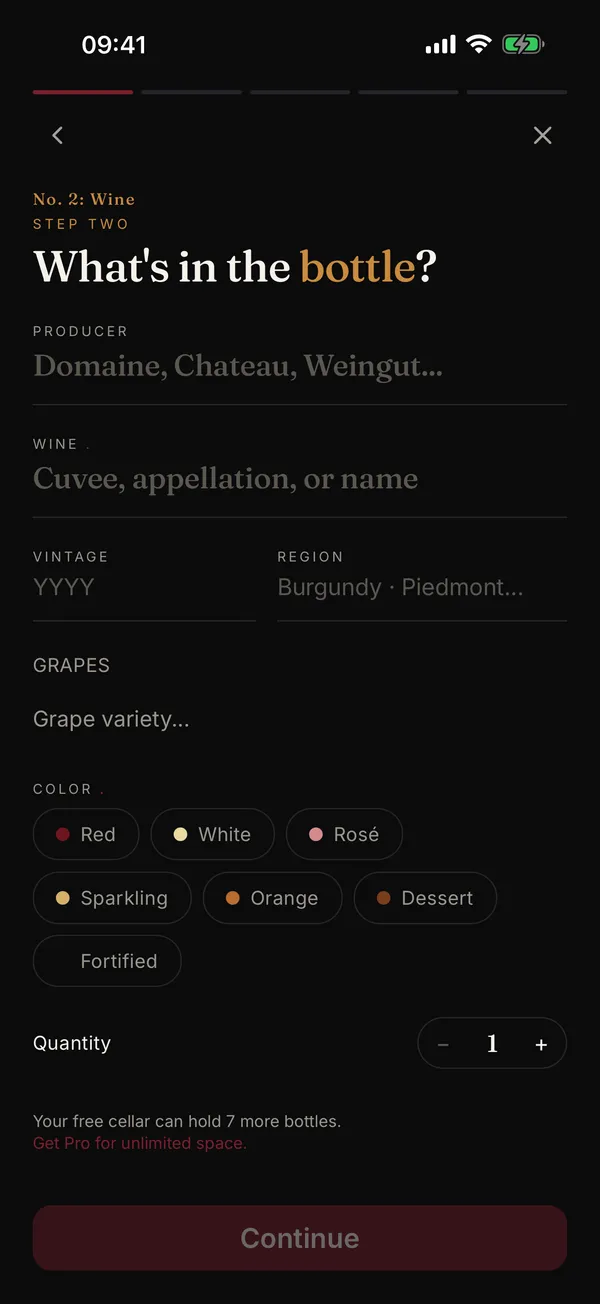
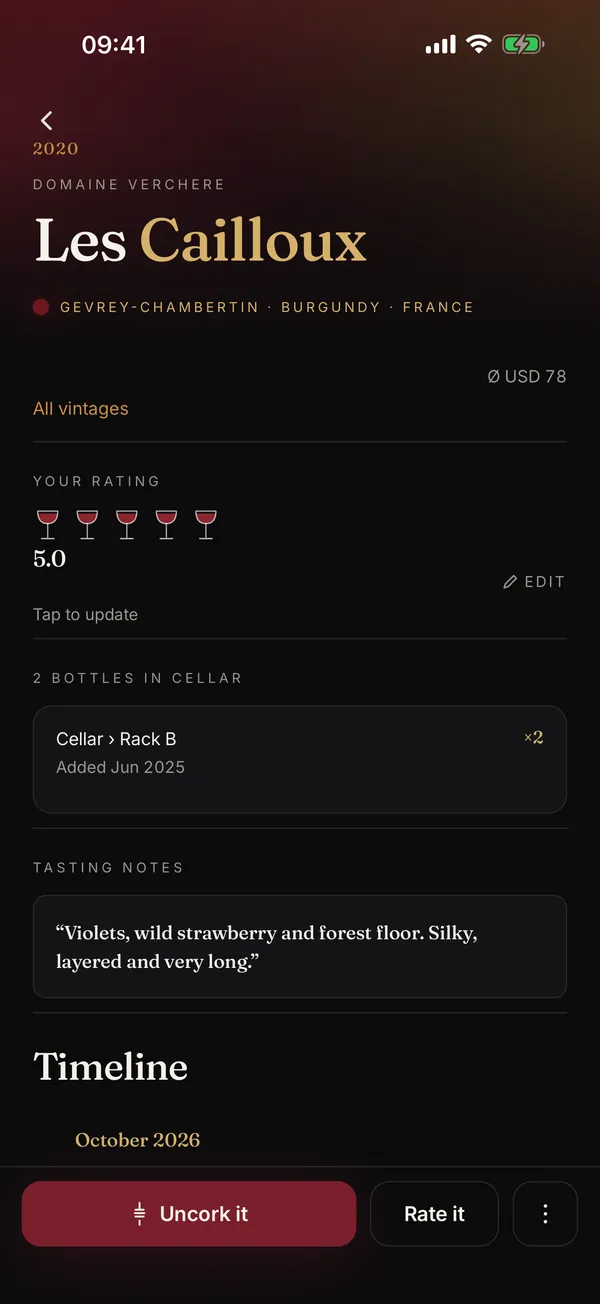
Add it to Botto the day you get it, with Received as a gift switched on. Botto keeps who gave it to you and the occasion, and the wine page shows where it’s resting.
No Botto? Then tie a tag around the neck with the giver’s name and the date. Either way, you’ll never regift it by accident, or worse, hand it back to the friend who gave it to you.
Serve it well
- Temperature. Full reds at 15 to 18°C, a little below room temperature. Whites at 8 to 12°C. Sparkling at 6 to 8°C.
- Young and powerful reds often open up with an hour in a decanter.
- Older reds throw a sediment. Stand the bottle upright for a day, then pour slowly into a decanter and stop when the sediment reaches the neck.
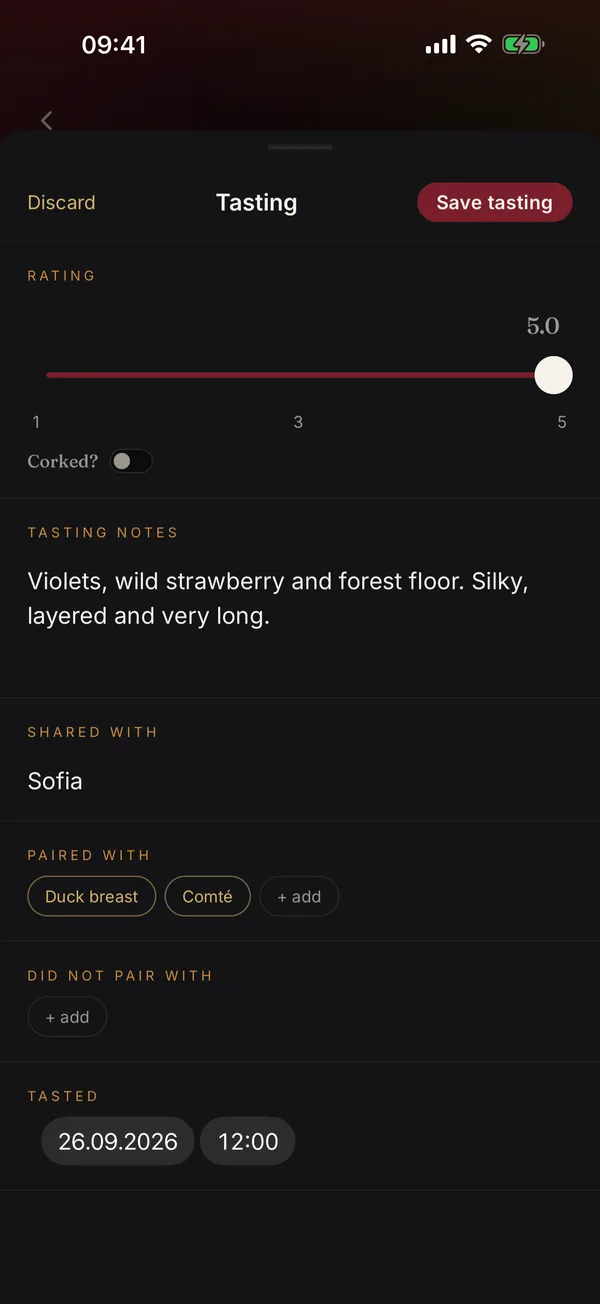
If you can, open it with the person who gave it. Nothing says thank you better. In Botto, Uncork it keeps your rating, your tasting note, who you shared it with and what you ate, and the next morning Botto reminds you to rate it while you still remember.
Remember the bottles you give
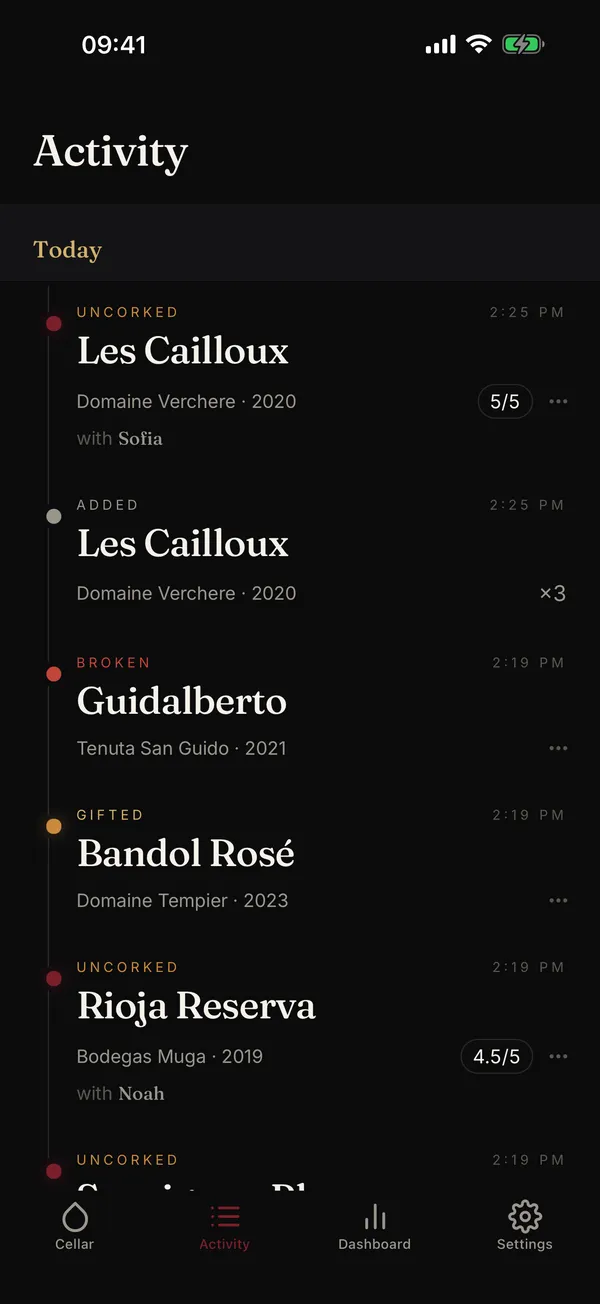
It works the other way too. When a bottle leaves your cellar as a gift, choose Gift this bottle on its page in Botto. Activity keeps who got it and when, so next year you know what you brought them last time.
Botto is coming to iPhone. Get it the day it launches.